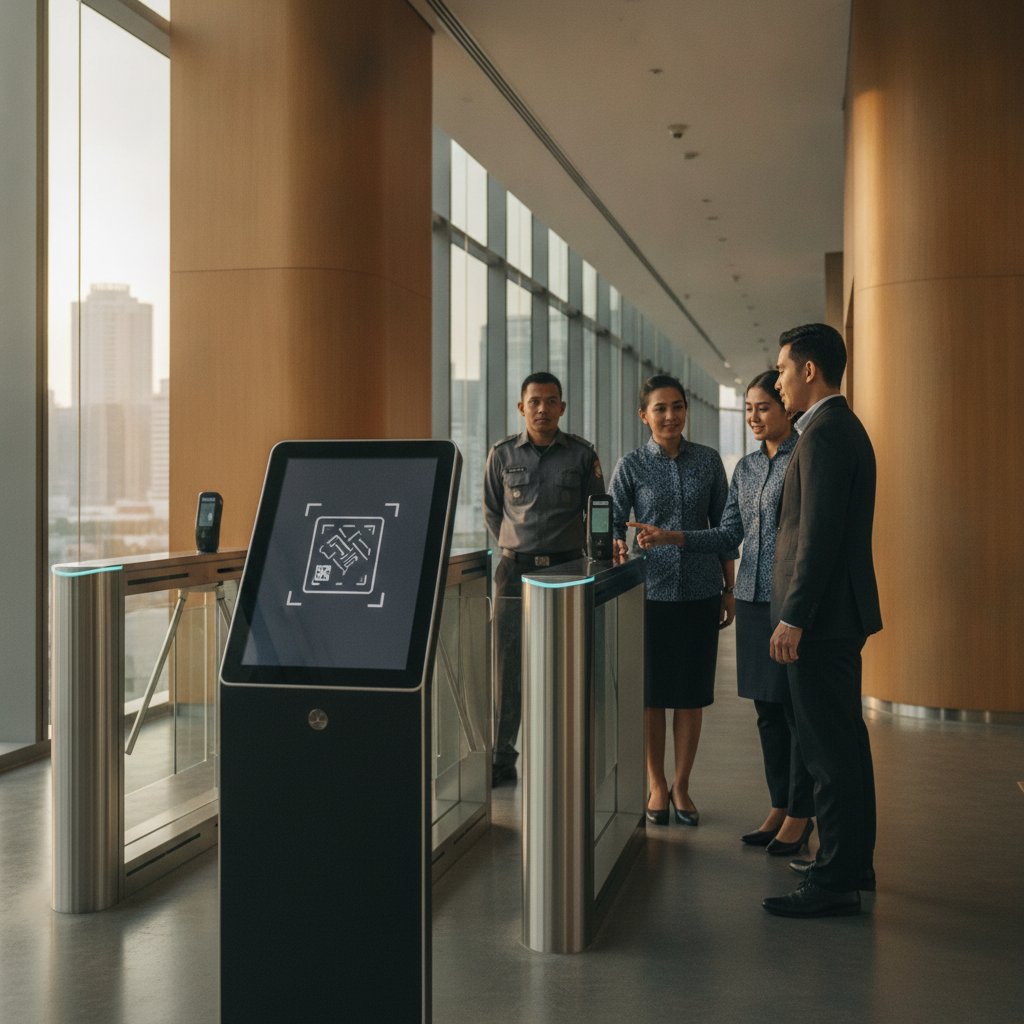
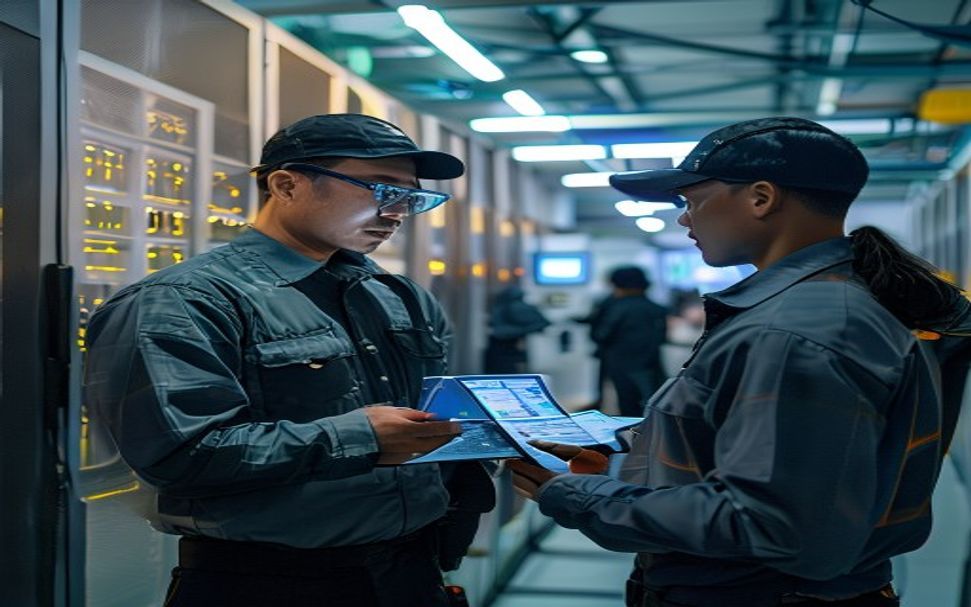
The indicator light on the cold rack zone door isn't blinking, yet the access sensor records staff movement inside the sensitive area despite there being no active work order (WO) in the system. A security-integrated warehouse management system creates a data architecture that locks physical access based on operational task validity, ensuring every staff movement in restricted areas is validated by the inventory system in real-time. In the modern logistics ecosystem, separating inventory data from physical security data is a loophole frequently exploited for undetected stock shrinkage.
A common fatal error in the field is the assumption that RFID access cards are sufficient to secure high-value zones. In reality, staff with standard access permissions can still enter these areas without a legitimate operational reason. This poses risks not only to stock loss but also to temperature fluctuations in sensitive cold storage areas, which can compromise overall product quality.
Why Is a Cold Rack Door Opening Without a Work Order an Ignored Alarm?
In many facilities, the WMS only functions to record incoming and outgoing goods, while the door access system runs on a separate server. When staff enter the cold rack without a picking task, the security system merely logs "access granted" because the staff card is valid. Operational losses occur when goods go missing or room temperatures are disrupted, yet the audit team finds no correlation between staff activity and inventory data because the data is fragmented. Proper integration allows the system to verify whether the access card being used is currently assigned to pick items at that specific rack coordinate.
How to Link Task Validity with Door Access Permissions?
The solution is to synchronize logic between the work order issued by the warehouse management system and the door controller. If there is no active WO for that staff member in a specific zone, the system automatically denies access or sends an instant notification to the control room. This integration transforms the security system from a mere log recorder into an active filter that prevents operational violations before they occur. By unifying workflows within the WMS system, every entrance becomes a measurable quality control point.
What Are the Operational Risks of Relying Solely on Manual Access Logs?
Relying on manual logs or simply reviewing CCTV footage after an incident occurs is a reactive strategy that is both costly and inefficient. The trade-off is the initial administrative burden of mapping workflows into the system, but the resulting efficiency far outweighs that cost. With an integrated system, the security team no longer needs to manually correlate CCTV timestamps with inventory logs when discrepancies arise. All data becomes a unified, auditable entity.
Implementing this technology also supports operational transparency throughout the supply chain. With integrated data, warehouse managers can identify inefficient staff movement patterns or potential security risks before they manifest as financial losses. This integration is not just about restricting access; it is about optimizing workflows so that every second of staff time in the warehouse adds value to the company's productivity.
To understand more deeply how your system can be upgraded, visit Simplo.id to view the various integration solutions available. If you would like to discuss the specific needs of your facility, please contact our team for further technical consultation regarding the implementation of security systems aligned with your operational workflows.