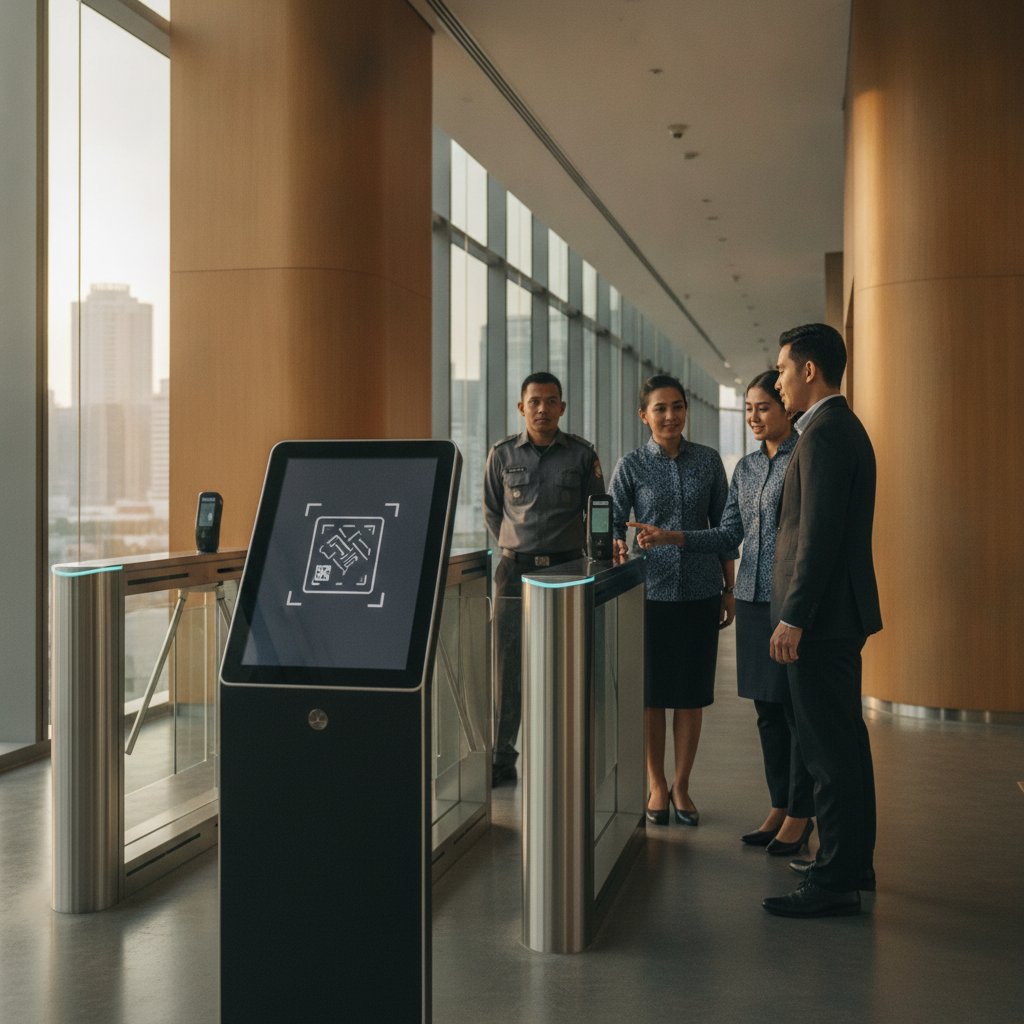
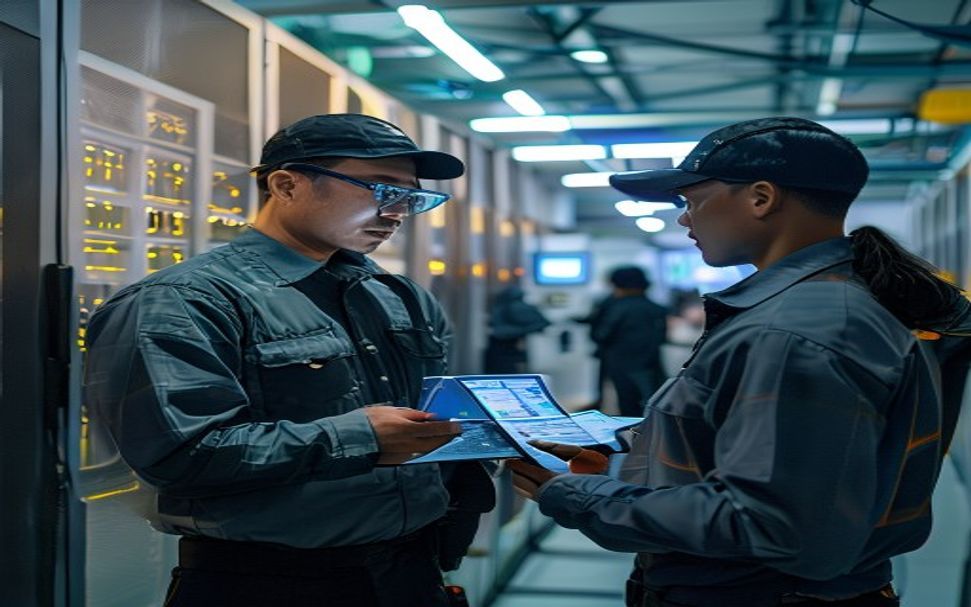
At 2:00 AM, control rooms are often flooded with overlapping notifications from CCTV, door sensors, and unsynchronized locker logs, creating an alarm storm that makes it difficult for staff to distinguish between actual threats and technical glitches. A locker management system is a centralized solution that integrates locker access authorization into the building's security ecosystem, ensuring every storage activity is automatically logged without the need for manual intervention prone to human error.
The core problem in the field is often not a lack of security devices, but severe data fragmentation. When locker systems operate as standalone units, night shift staff must toggle between multiple dashboards to verify who accessed specific assets. This lack of synchronization often leads to delayed responses during incidents, as priorities become obscured by irrelevant notification noise. This phenomenon creates security gaps that are often exploited because the system fails to provide a cohesive context.
How Does Dashboard Fragmentation Trigger Night Shift Response Failures?
Fatal errors occur when security systems do not communicate with one another. When an employee accesses a locker in a restricted area during odd hours, an isolated system cannot provide context on whether the access is legitimate based on shift schedules or building access permissions. Consequently, security staff tend to ignore notifications due to 'alarm fatigue' caused by non-integrated systems. This is where operational efficiency is compromised; when everything is treated as an emergency, nothing is handled with the necessary seriousness.
Field experience shows that exhausted staff will often disable notifications they consider disruptive. Without integration, locker systems become blind spots in the overall facility security strategy. By unifying all access management into a solid integration platform, every locker activity becomes part of a verifiable security log.
Can Locker Data Consolidation Reduce Notification Noise?
Integration is about intelligent information filtering. By unifying locker management within the Simplo.id ecosystem, locker access data becomes part of a larger security workflow. Staff no longer need to check logs manually; the system automatically validates whether access aligns with the user profile in the main database. If an anomaly occurs, the system only triggers alerts on high-priority dashboards, drastically reducing notification noise and keeping staff focused on valid threats.
This approach enables security teams to conduct post-incident investigations much faster. Because every locker log is linked to user identity and precise access time, audit processes that once took hours can now be completed in minutes. This is a crucial step toward raising facility security standards without increasing the staff workload.
What Is the Greatest Risk of Maintaining a Manual Locker System?
The often-overlooked trade-off is the hidden operational cost of manual systems. While they may appear inexpensive initially, managing physical keys or non-integrated access cards demands high labor costs for periodic audits and replacing lost keys. The greatest risk is not just asset loss, but the lack of an accurate audit trail during internal investigations. Relying on an integrated system requires upfront planning, but the long-term efficiency far outweighs the maintenance costs of siloed systems.
We recommend that operational teams review their existing security architecture. If you feel your current system is adding to your workload rather than providing protection, let’s discuss how the right integration can simplify your workflow through a technical consultation with our team.