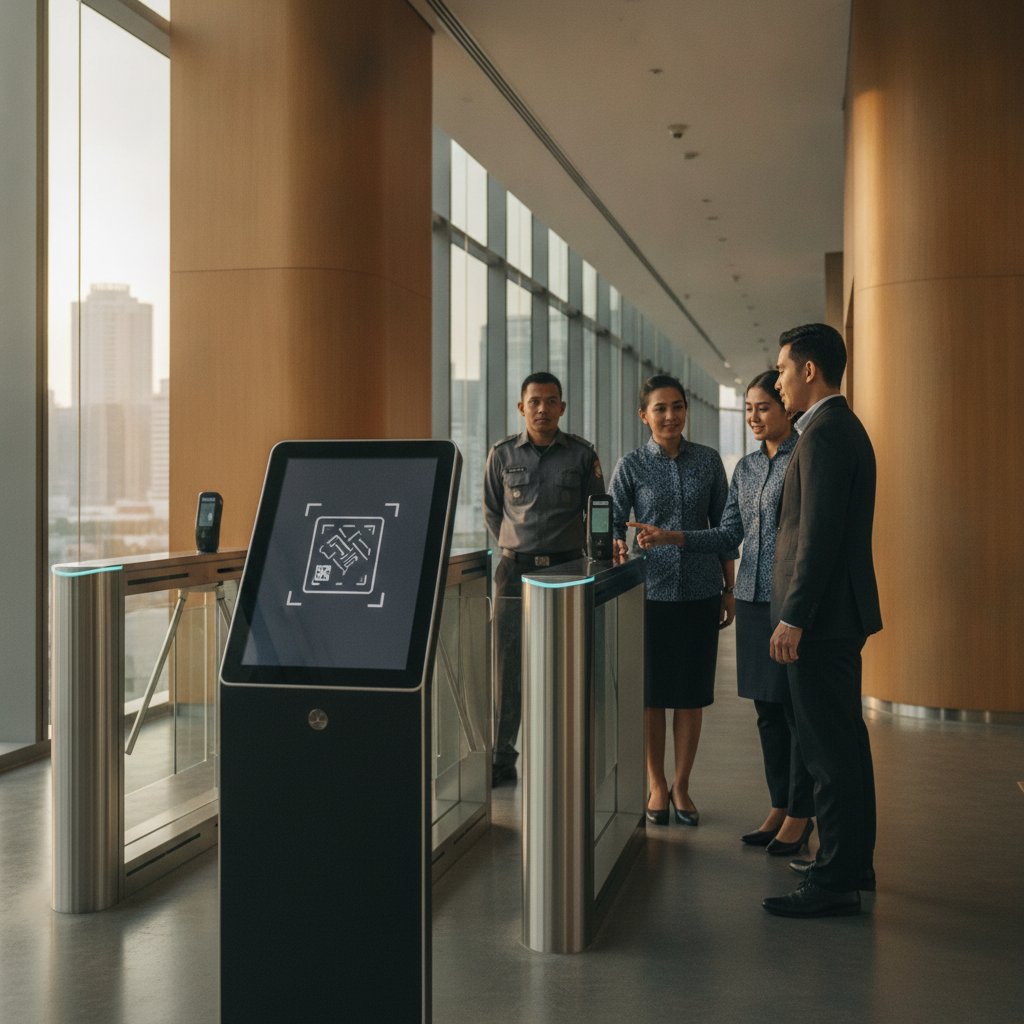
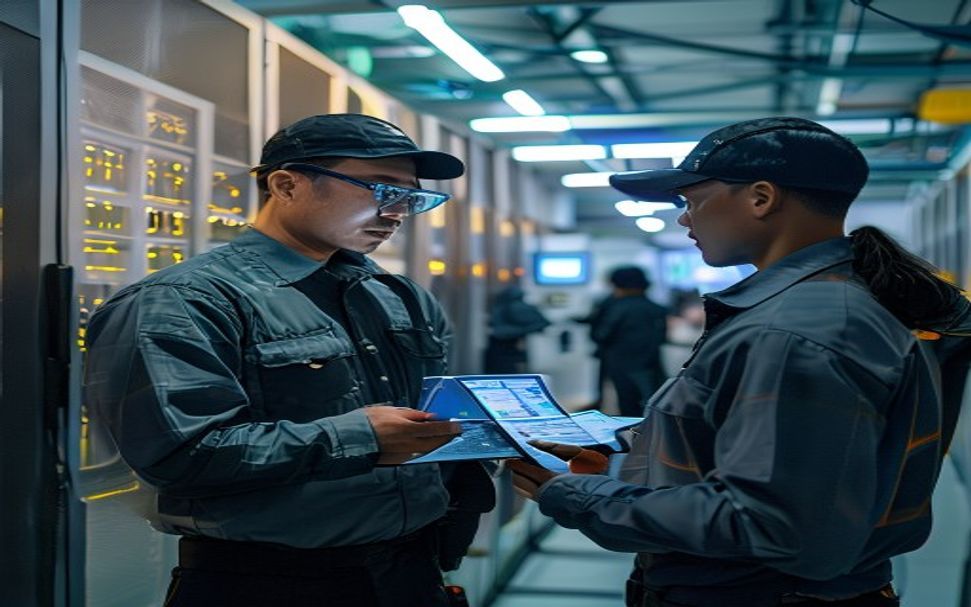
VMS and access control integration is a system that unifies door log metadata with video recording timestamps into a single, cohesive timeline for instant verification. When an asset loss occurs in a server room, security teams are often trapped in a manual maze: matching check-in times from a digital guest book with separate CCTV recording files. Relying on fragmented systems is an operational time bomb that often leads to failures in identifying incident perpetrators quickly.
When door access logs and VMS data do not speak the same language, operators often resort to 'guessing' while reviewing footage. Fatal errors occur when operators misidentify a visitor's face due to time drift between the access control server and the DVR/NVR, which can range from a few seconds to minutes. In the world of physical security, even the smallest time discrepancy can invalidate video evidence in the eyes of the law or internal audits.
How to Avoid 'Blind Spots' When Matching Visitor Logs and Video?
The most common field error is relying on digital visitor logs as absolute truth without simultaneous visual verification. Many operators only look at a list of names without seeing who actually entered through the access door. With proper integration, every time an access card is swiped, the system automatically bookmarks the CCTV recording at the exact second. This eliminates the need to manually search through thousands of hours of tedious video data.
Furthermore, integration allows for cross-verification between the digital identity registered in the database and the face captured by the camera. If someone uses an access card that does not belong to them, the system can provide a visual alert to the operator. This creates an additional layer of security that cannot be achieved if both systems operate separately.
Is Time Synchronization the Weak Link in Your Investigation?
The trade-off operators face is the burden of data storage. Integrating a VMS with access control means every door event will trigger additional metadata that must be stored. However, the risk is far greater if it is not done: an incident investigation that should take 10 minutes can drag on for hours because operators must manually replay footage to find the right moment. This integration is not just a luxury, but a necessity for operational accountability in modern facilities.
Often, problems arise when hardware from different vendors does not have uniform communication protocols. Therefore, selecting software that supports open architecture is crucial. You can review the solutions available at Simplo VMS to understand how protocol standardization can accelerate your security workflow.
Why Does Automated Data Matching Reduce the Night Shift Workload?
During the night shift, operator fatigue is a variable that cannot be ignored. An integrated system allows for automatic notifications if a door is accessed without valid face detection on the camera. This shifts the security role from 'footage watcher' to a proactive 'decision maker.' With an efficient workflow, the security team can focus on monitoring more critical areas instead of spending time performing manual footage searches.
If you are evaluating the effectiveness of your current security system, let's discuss the specific needs of your facility. Visit https://simplo.id for more information or schedule a technical discussion session to see how this integration can be implemented according to your existing infrastructure.