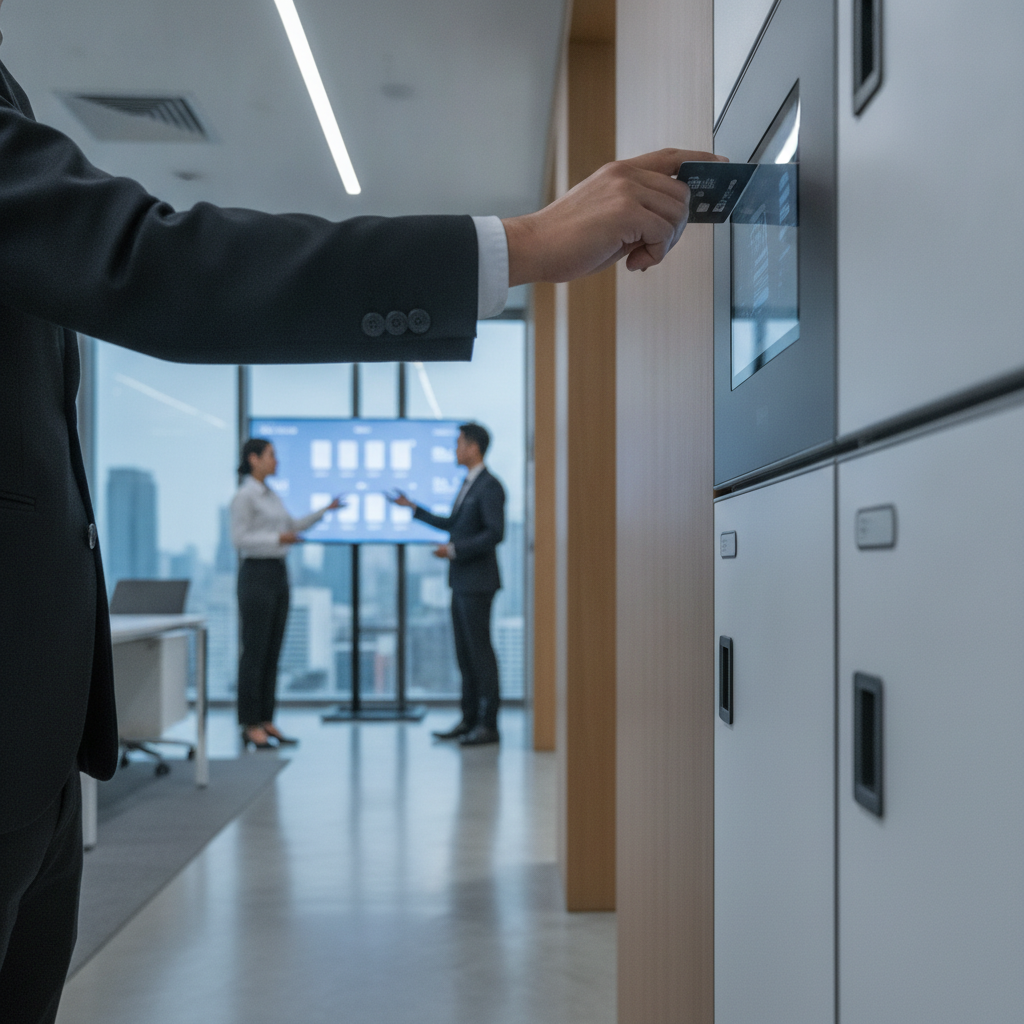
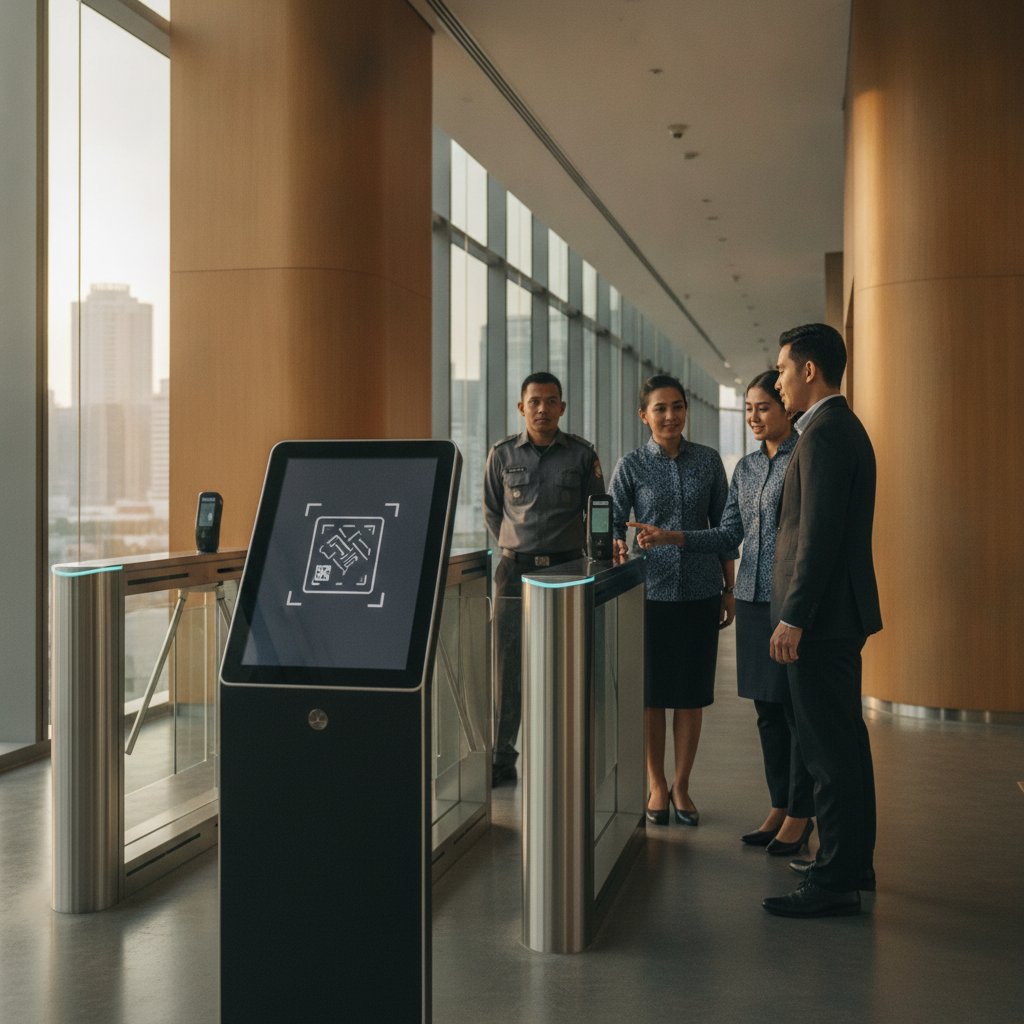
The best visitor management system is an ecosystem that ensures guest identity data on badge printers and access rights on door controllers are locked within a single synchronization protocol, eliminating the gap between physical verification and digital authorization. A guest standing in front of an office elevator with a freshly printed visitor card, only to find the card reader flashing red and the door remaining shut, is a clear sign of system integration failure often overlooked by building management.
This issue arises because security teams often utilize two separate systems: one for badge printing and another for elevator access control. When these systems do not speak the same language, the guest data printed on the card lacks the 'digital key' recognized by specific zone access panels. Consequently, guests are trapped in the lobby, forcing security personnel to perform manual overrides that violate standard building security procedures.
Why Do Printed Guest Cards Often Fail to Access Restricted Zones?
This failure occurs when the guest registration database does not automatically synchronize with the Access Control System (ACS). When a receptionist registers a guest, the badge printer system issues a card, but the 'access permission' command is not sent to the target zone's door panel. This creates an illusion of security; the card looks official, but technically lacks entry authorization. Without solid API integration, every change in guest data must be performed twice, which is highly susceptible to human error and data desynchronization.
This condition is often exacerbated by using hardware from different vendors that lack open communication protocols. In field experience, many buildings suffer from access data leaks simply because the system cannot distinguish between general visitors and VIP guests who require special access to specific floors. Poor synchronization renders guest cards mere physical accessories without any actual security function.
What Are the Operational Impacts When Data Synchronization Fails Completely?
The most tangible impact is lobby congestion, which triggers guest frustration and excessive workloads for security staff. When the system fails to sync, officers are forced to open doors manually using a master card or bypass button. This is a highly dangerous security gap because such activities are often not recorded in the audit log; if an incident occurs within a restricted area, the security team has no digital trail of who granted access.
Furthermore, synchronization failure causes inefficiencies in time management. Receptionists must repeatedly perform re-verification or contact the guest host to confirm access permissions. This inevitably lowers the building's operational credibility in the eyes of tenants or visitors. Building an integrated workflow at /vms/ is a preventive step to ensure every printed card has an automatically programmed expiration date and access limitation.
What Is the Greatest Risk If Badge Printers and Elevator Controllers Work Separately?
The greatest risk is 'shadow access' or unverified access. If the badge printer system is not connected to the elevator controller, any printed card could be misused if there is no automatic deactivation mechanism once the guest's validity period expires. Poor integration forces security teams to monitor two different dashboards, which often leads to the oversight of critical notifications.
As a field editor, I often see security teams trapped in a trade-off between registration speed and access security. Indeed, full integration requires an upfront technical investment, but the operational costs of constant 'manual bypasses' are far higher in the long run. If you wish to consult on a synchronized and efficient system for your building, please discuss your technical requirements via https://simplo.id for a more comprehensive system audit.