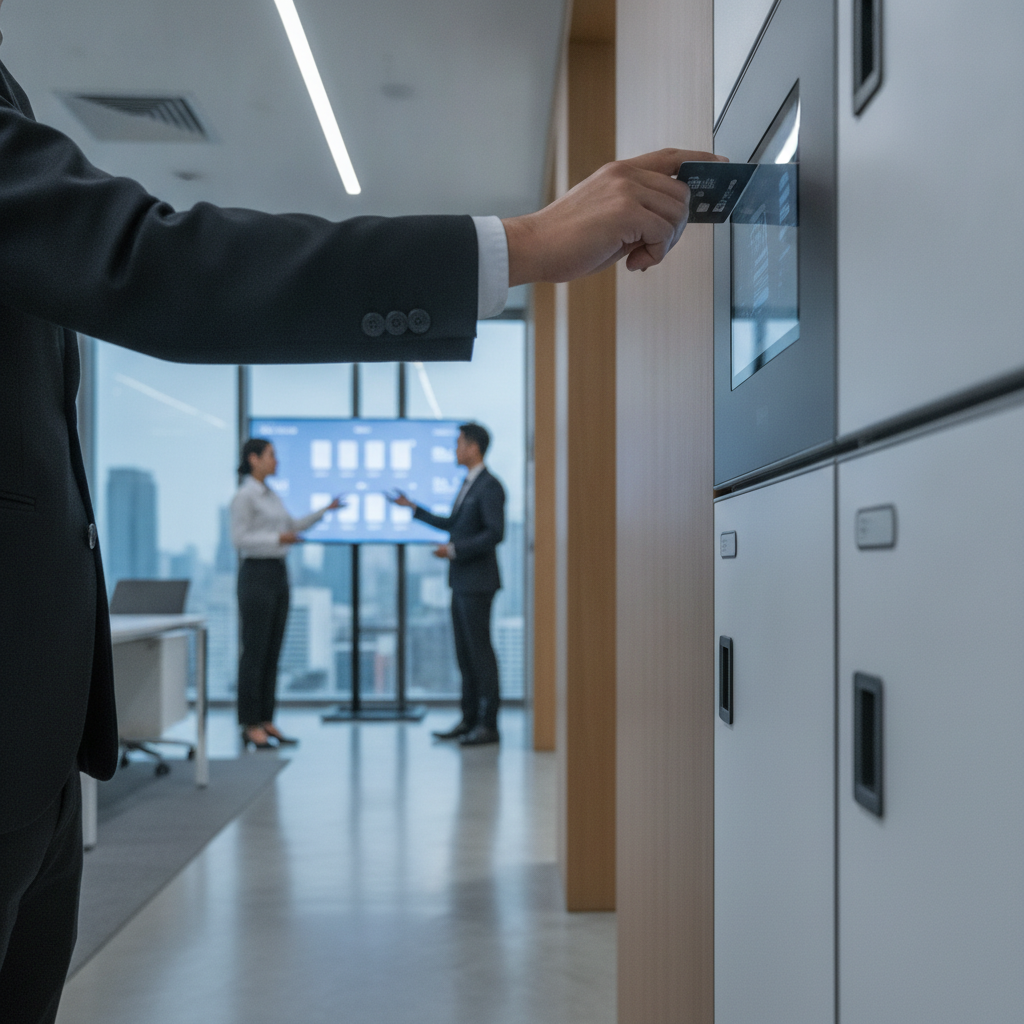
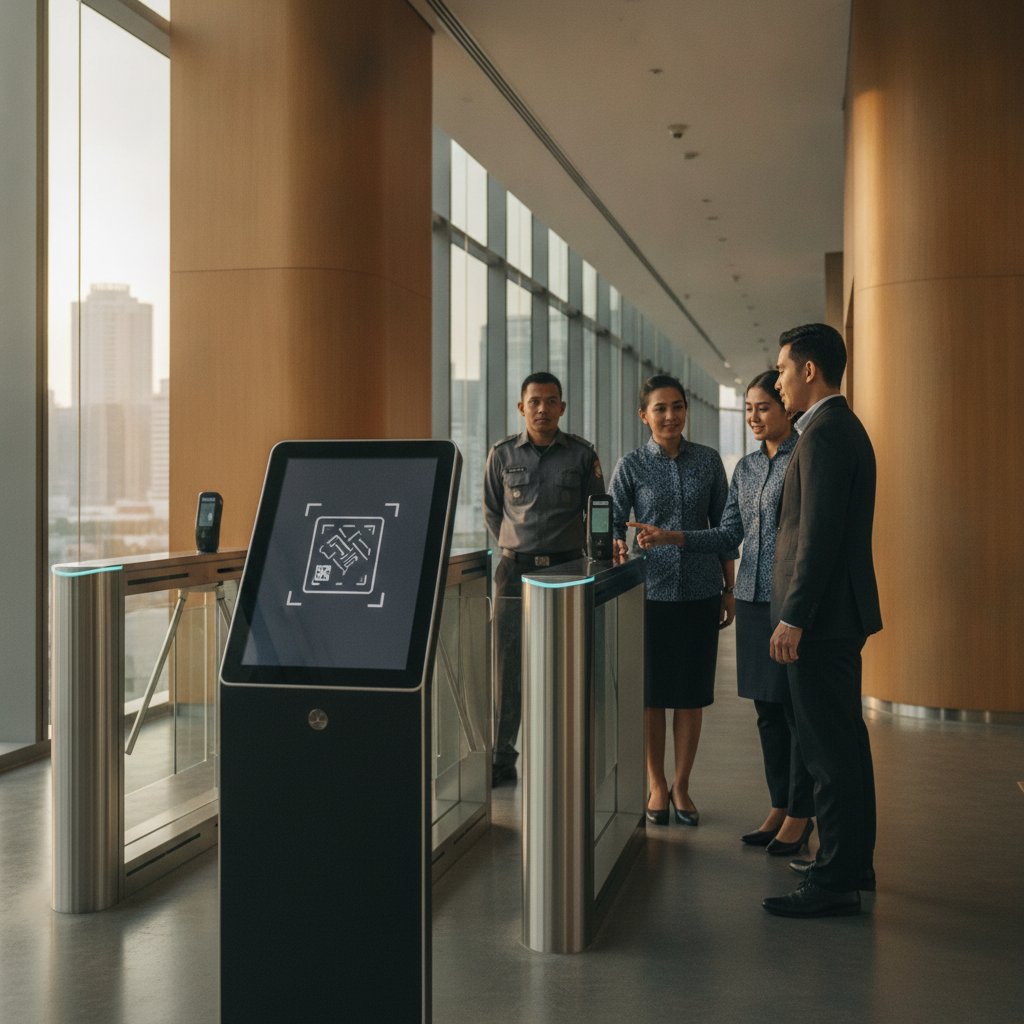
An HVAC technician enters a server room using a universal master access card at 2:00 AM with no scheduled maintenance listed in the security logbook. The best CMMS for physical security is a system that dynamically manages physical access, where entry permissions are granted only to individuals with an active Work Order (WO) during specified times and locations. This approach shifts the security paradigm from simple access restriction to operational-need-based attendance verification.
A common field error is the reliance on master cards or static PINs shared across the entire maintenance team. Operators often face a trade-off between technician convenience and the security risk of critical assets being exposed without strict audit trails. Relying on physical keys creates significant vulnerabilities if the card is lost or misused by unauthorized parties.
Why Master Card-Based Access is the Biggest Security Gap in Utility Rooms
Master cards provide unrestricted access that is frequently misused or lost without a trace. When physical access is not linked to a work ticket, security teams have no way to verify if a technician's presence in a utility room is for routine maintenance or unauthorized activity. Integrating CMMS with access control systems allows doors to unlock only if the system detects a valid WO, creating a tamper-proof audit trail.
In field scenarios, many facility managers realize that manual logbooks are often filled out after the work is completed, rather than when the technician enters the room. The discrepancy between door access logs and maintenance logs is a major hurdle during security audits. By automating access, you eliminate human error in reporting.
How to Automate Work Order Synchronization with Electronic Door Locks
The process begins with creating a WO in the system, which automatically sends a temporary access token to the technician's mobile device. Once the WO is marked 'complete' or the allotted time expires, the system automatically revokes access. This eliminates the need for physical keys or permanent access cards that risk duplication, while ensuring every second a technician spends in the utility room is systematically recorded.
This implementation also allows supervisors to monitor task duration in real-time. If a technician remains in the room beyond the estimated time defined in the WO, the system triggers an automatic notification to security for verification. This is a proactive measure to prevent unauthorized access during working hours.
What is the Greatest Risk if Utility Room Access is Not Linked to a CMMS?
The primary risk is an operational 'blind spot' where incidents of theft or equipment sabotage cannot be traced back to a specific individual. Without proper integration, door access logs and maintenance logs remain siloed, making incident investigation time-consuming. By integrating systems via https://simplo.id/, you ensure that every instance of physical access has a well-documented operational justification.
Robust physical security is not just about restricting access; it is about providing the right access at the right time. Begin the transition from manual access to WO-based access to minimize human risk. If you would like to discuss how system integration can enhance your facility's efficiency and security, please contact our team for a consultation.