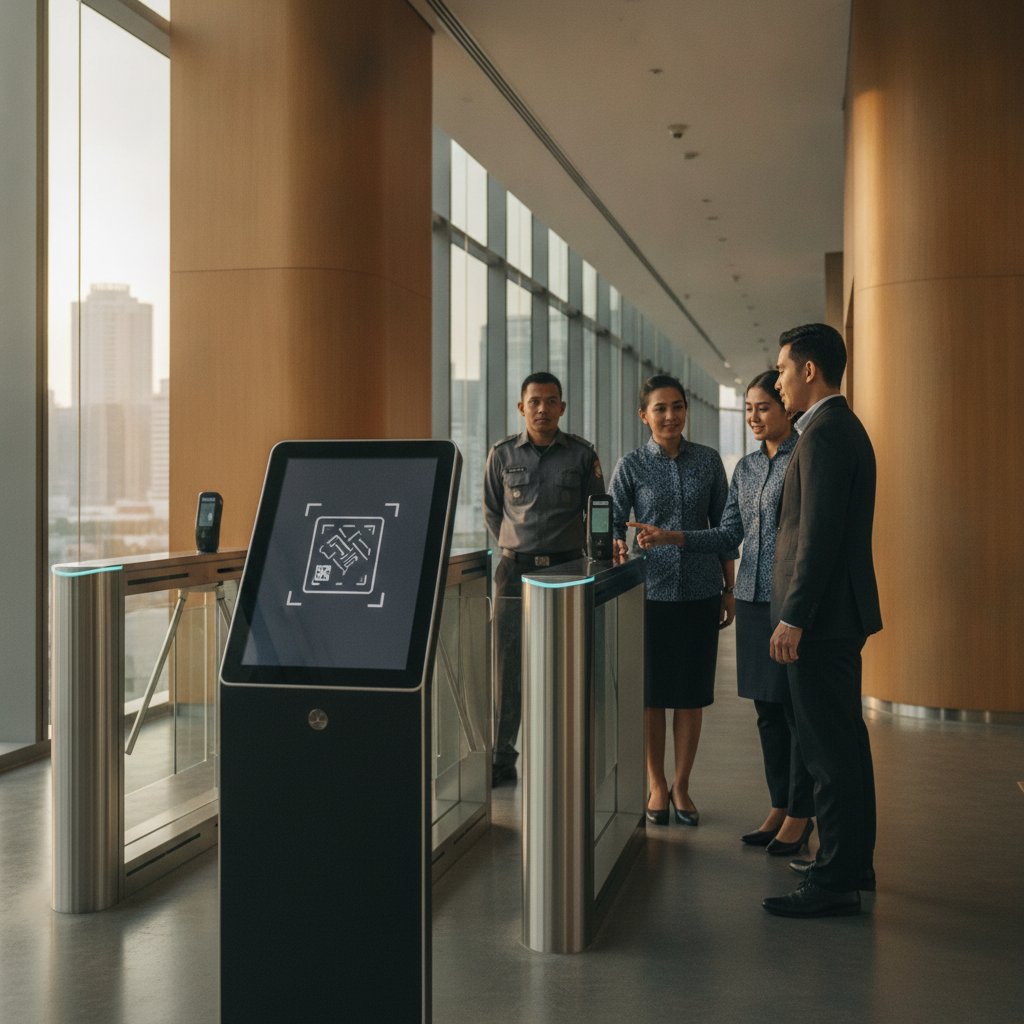
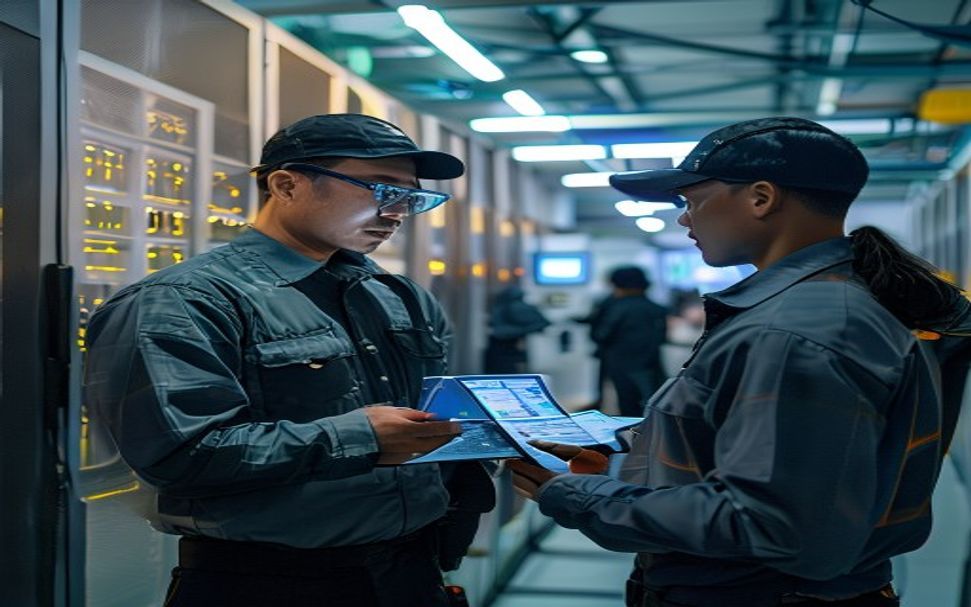
A night-shift technician discovers that a surveillance camera in the machine sensor area is malfunctioning, but only reports it after the access control system at the production area entrance locks up completely due to synchronization failure. Stop waiting for factory downtime by adopting a proactive strategy that integrates the health status of access control hardware directly into maintenance workflows. This ensures that any anomaly in a reader or camera triggers a work order before operations are interrupted. This approach shifts the technician's role from a 'firefighter' to a strategic asset manager.
The most common field error is treating security devices like cameras and readers as 'install-and-forget' assets. Consequently, technical teams only react when a device is completely dead (break-fix), creating significant audit gaps because access data during the device's degradation period remains unrecorded. While management must accept an initial time investment for system synchronization, this is far less costly than the production line downtime caused by undetected access system failures. With an integrated system, every device has a digital 'heartbeat' monitored in real-time.
Why 'Dormant' Reader Spare Parts Are a Leading Cause of Production Downtime
Many facilities rely on manual systems to track reader health. When a reader begins to lag or frequently disconnects, security teams often ignore it because it is 'still functional.' In reality, this instability is a signal that internal components are wearing out. Without integration into a CMMS system, technicians will never know that the reader requires preventive replacement until the production line is forced to stop because operator access to the machine area is blocked by system errors. These failures often cascade into reduced operator efficiency, as staff are forced to wait for manual access, significantly cutting daily factory output.
How to Close Audit Gaps When Surveillance Cameras Experience Performance Degradation
Audits often fail not due to dishonesty, but because data is lost when surveillance cameras experience connectivity issues. If a camera is not connected to a maintenance system, there is no record of when the device began failing. By integrating camera health status into an asset management system, every glitch in the video feed automatically logs a maintenance ticket. This ensures that every second of device downtime is recorded and accounted for in monthly audit reports, giving management full visibility into the health of their security infrastructure.
Can Preventive Strategies for Security Devices Eliminate Queues at the Production Lobby?
Long queues at production access points often occur because readers respond slowly due to background system failures. By implementing preventive maintenance, each reader component is monitored based on its lifecycle rather than waiting for failure. This ensures that operator workflows remain smooth without technical obstacles. Well-maintained devices not only extend their service life but also ensure compliance with strict workplace safety standards. If you wish to optimize your facility's asset efficiency, please visit https://simplo.id/ for further discussion on smarter, more scalable system integration.
Implementing this technology requires a cultural shift in the field. Operators and technicians must start viewing system notifications not as a burden, but as a tool to avoid emergency situations. With accurate data, repair decisions can be made faster, cheaper, and more effectively, allowing the factory to focus on production rather than repairing devices that could have been maintained preventively.