Why Lobby Queues Are a Weak Point in Building Security
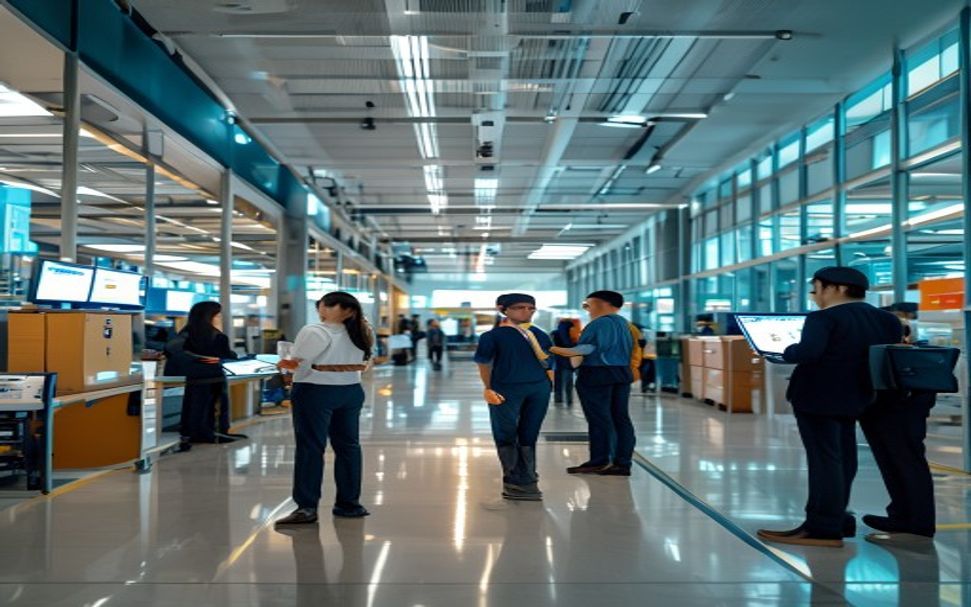
At 9:00 AM in a multi-tenant building lobby, guest queues stretch to the turnstiles because receptionists must call every host for manual entry approval. Visitor management software for offices automates the guest verification workflow, linking visitor identity directly to host approval notifications via a digital platform, thereby reducing wait times in public zones. This solution transforms how buildings manage human traffic from slow, paper-based systems into measurable data flows.
This condition creates a tangible security gap. When guests accumulate in the lobby, security personnel are often trapped in a dilemma between maintaining strict verification protocols or allowing queues to overflow, which risks disrupting the comfort of other tenants. Speed is an operational demand, but without the right system, speed often compromises the accuracy of identity verification. Every second wasted on manual verification is a gap where a guest's identity might bypass proper logging.
In field experience, buildings still relying on physical guest books often face issues with illegible data or discrepancies between the number of guests entering and the permissions granted. Transitioning to a digital system is not just about lobby aesthetics; it is about building a security foundation that can be audited in real-time by building management.
Balancing Host Autonomy and Security Protocols
A fatal error often made in multi-tenant buildings is placing the entire verification process on the lobby receptionist. In reality, receptionists do not have direct access to the calendars or availability status of hosts on upper floors. Consequently, guests are often held in public zones without clarity, creating unnecessary bottlenecks. You can see how visitor management software for offices solves this problem by providing hosts with the autonomy to perform pre-registration.
Building managers must honestly acknowledge that manual systems will never keep pace with guest volume during peak hours. Relying on phone calls or manual instant messages for every guest is a recipe for operational failure. An ideal system must be capable of sending instant notifications directly to the host's device, so that when the guest arrives, verification is already complete at the entrance. By shifting the verification burden to a digital system, receptionists can refocus on higher-value guest services, while building security is maintained through automatically stored data logs.
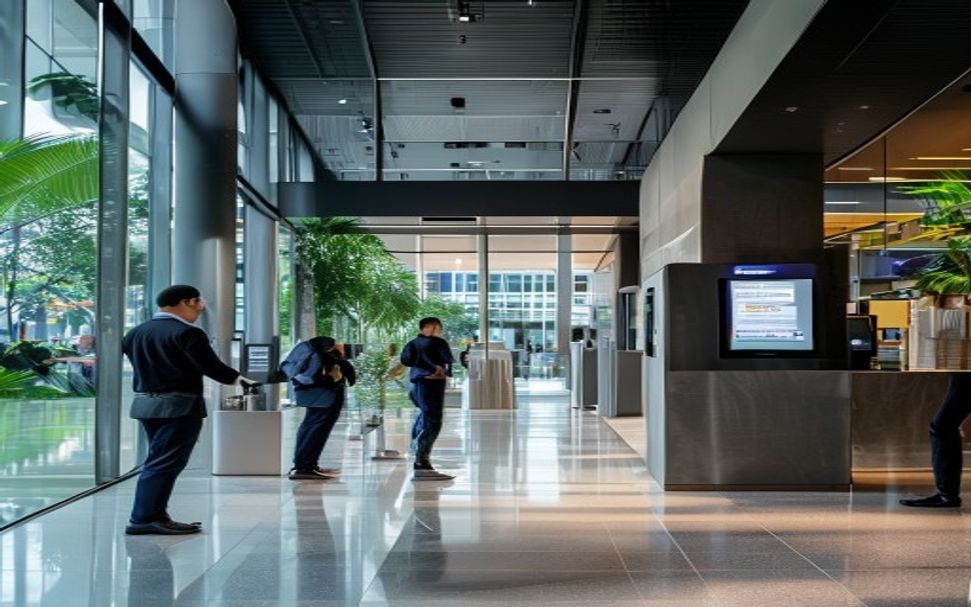
Furthermore, this system allows for additional security filters, such as integrated ID card scanning, which provides an extra layer of protection before guests venture further into office areas. This ensures that everyone inside the building has a valid, clearly recorded entry permit.
How to Seamlessly Integrate Guest Workflows into the Building Ecosystem
The first step in this transformation is moving the verification burden from the reception desk to a centralized digital system. By using solutions provided by https://simplo.id/, you not only cut wait times but also create an accurate digital audit trail for every visitor entering the building area. This is crucial for maintaining security in multi-tenant buildings, where each floor may have different access levels.
The role of this system is to provide an infrastructure that connects guest data with the building's access control system in real-time. When a guest performs pre-registration, the system generates a unique access code that is only active at the specified time. This minimizes unnecessary physical interaction in the lobby and ensures that everyone inside the building has legitimate entry authorization. If you are ready to end the chaos in your lobby and raise your building's security standards, we invite you to discuss your operational needs. Please contact us for a consultation session or schedule a demo to see firsthand how this system works in your building environment.